Podcast 4
Podcast 3
Podcast 2
Older Content
Topic 2 Talking about happenings in the present times
Am, is, are, are called being verbs that describe the action of the subject of a sentence, in the present times
The subject is the doer of action; the subject in the example sentences is given in bold letters. A verb is the most important word in a sentence.
A. Am / Is / Are + verb–ing (Present Continuous)
Present continuous – simple situation
Simple sentence/describing people, place, or anything in the present times
| Subject | Verb | Information about the subject | |
| I | am | Learning English now. Sitting in the class Looking at the board | |
| We/you/they/who (Plural) | are | ||
| He/she/it/who (Singular) | is | ||
B. Asking ‘yes/no’ questions (The answer to these question are either ‘yes’ or ‘no’
| Verb | Subject | Information |
| am | I | Looking good Learning English now. Sitting in the class Looking at the board |
| are | We/you/they | |
| is | He/she/it |
C. Making ‘wh’ questions – ‘wh’ questions require full answers.
| ‘Wh’ word | Verb | Subject | How, What, Where, How much, Which place |
| How, What, Where, How much Which place | am | I | Speaking English (=How good is my English? Learning? (= Is my learning any good)? Driving (= is my driving any good)? |
| are | We/you/they | ||
| is | He/she/it |
D. Making negative sentences
| Subject | Verb | Information about the subject | |
| I | Am not | Learning English now. Sitting in the class Looking at the board | |
| We/you/they/who (Plural) | Are not = aren’t | ||
| He/she/it/who (Singular) | Is not = isn’t | ||
E. Making Negative questions
| Verb +not | Subject + not | information | |
| Aren’t | I | Speaking English well? Attending classes regularly? Making payments promptly? | |
| Aren’t | We/you/they | ||
| Isn’t | He/she/it/who (Singular) | ||
Note:
Underlined words or sentences are relevant to this topic, non-underlined words are given to balance the sentences and to understand things in a better way.
1. Actions happening now
- Please be quiet. I am reading a newspaper.
- “Where is your brother?” (“He is taking a shower.”)
- Let’s go outside. It isn’t raining now.
- (At a gathering) Hello! Are you enjoying the event?
- She is tired. She is going to bed now!
2. Actions happening around now (not exactly at this moment)
Example conversation: Two friends are talking in a café.
Friend A: I am reading a very interesting novel these days. I’ll give it to you when I finish it.
(Friend A is not reading the novel at that moment, but the action is not finished.)
More situations:
Shane wants to work abroad, so she is learning a new language.
Some people are buying gold now, they think the prices will go up future
3. Talking about general happenings around
The Global temperature is increasing faster
I am getting better in ……………?
They are working very hard these days. They will succeed.
Theoretical Grammar
Grammar- Topic 1 –Subject in a sentence
Any simple sentence contains three main parts name subject verb, and the complement. A complement is a word or phrase that provides more information about the sentence’s subject or verb. They provide clarity and give a complete meaning of the sentence.
Examples:
1. Margaret is an accountant.
Margret = subject, is = being verb, an accountant = complement.
2. A rocket can fly faster than an aeroplane.
A rocket = subject, can = Modal verb, fly an action verb, faster than an aeroplane = a complement.
3. The weather changed suddenly
The weather = subject, changed = action verb (past), suddenly = compliment
From the above examples, you might have known that what we speak/write about is called the subject
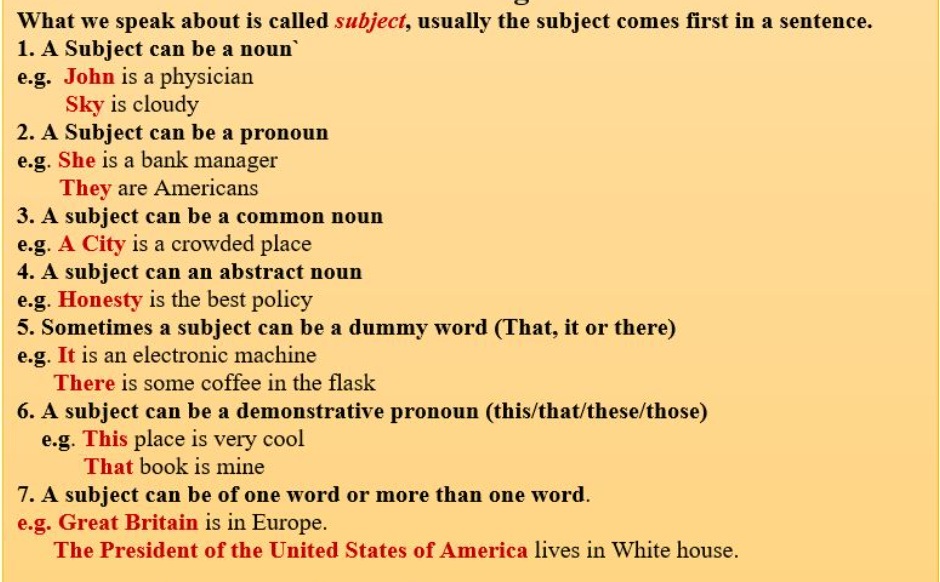
More Ideas about the subject

Always remember to convert the subject into its pronoun form (mentally) while speaking
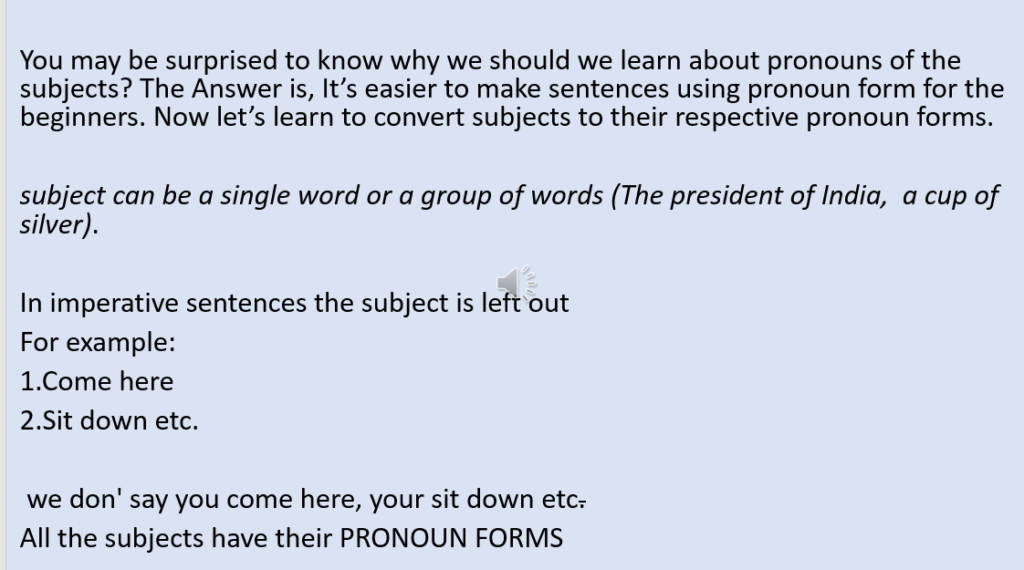
Conversion of the subject into its pronoun form
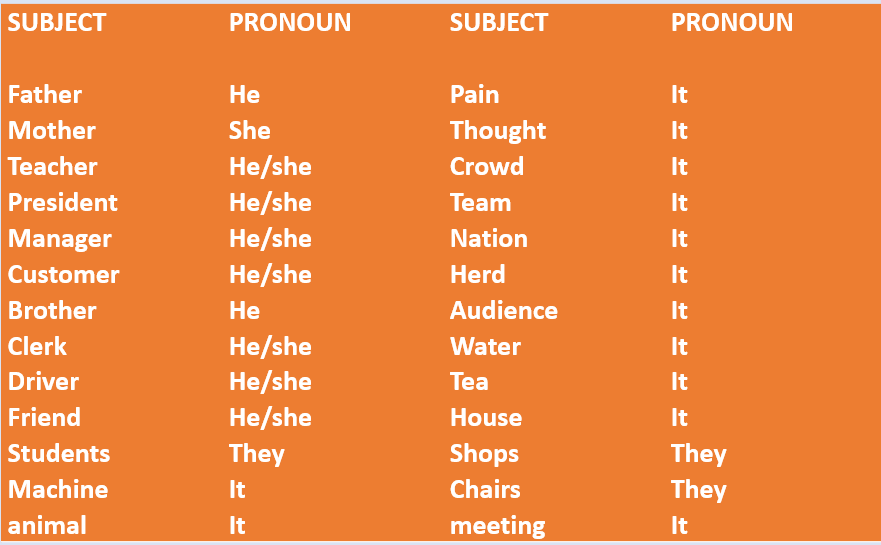
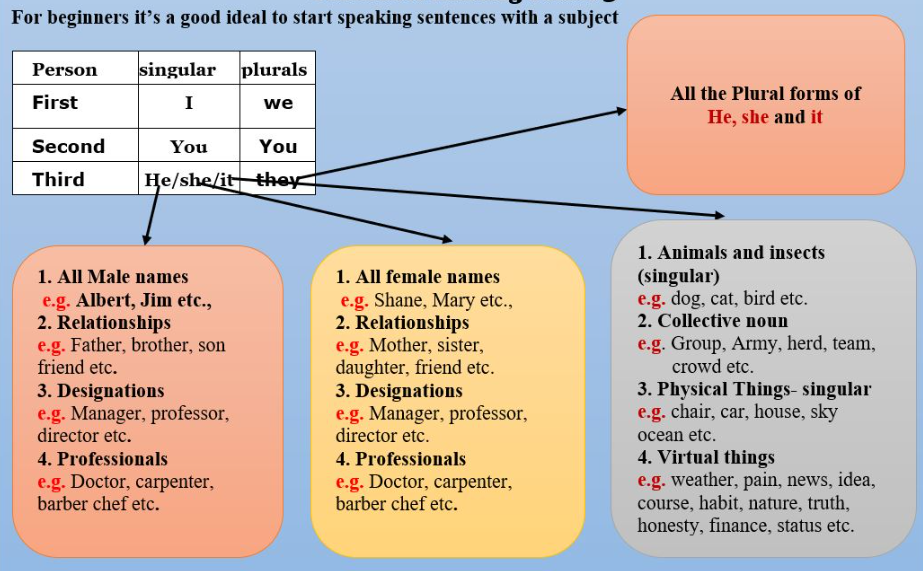
The number of subjects that we use in our daily routine is unlimited, but their pronouns are limited (Manageable to construct sentences and find suitable verbs that suit the subject of the sentence).
We talk about hundreds of subjects in our day-to-day conversations, for example, we talk about weather, education, government, friends, price rise, travel, etc., now a question arises, how to find suitable verbs for each subject? To solve this problem, it’s a good idea to convert the subject into its pronoun form mentally before speaking or writing and reconvert it into its original form during the speech or writing. This conversion would help us to choose a suitable verb for any subject under the sun.
Verbs in English
If you know how to handle the verbs, you know how to handle the language. Everything else is just vocabulary – Michel Thomas
Verb is an important word in a sentence – Three verb forms are: Action verb, being verb and Modal verbs. Action verbs describe an action in present, past and future times. ‘Being’ verbs describe state/status, location, time of people, places, and things (physical and virtual things). Please refer to the ‘modal verbs’ Topic.
Note: Sometimes a verb(main verb) may need the help of an additional verb (=helping verb or auxiliary verb) to change a sentence into a question, negative, etc.
1. Shane is a student. (is=main verb)
2. Shane is reading a newspaper. (is = helping verb, reading = main verb. The helping verb ‘is’ helps the main verb ‘reading’ ( helps to convert the main verb read into reading)
3. What do(1) you do(2) for a living.
First ‘do’ = helping verb, it doesn’t show action. Second ‘do’ (main verb), it shows an action.
The subject of any sentence should always agree with the verb of the sentence; otherwise, the sentence would look awful.
She are a teacher, – The verb (are) doesn’t agree with the subject (She). The correct sentence is ‘She is a teacher’
I reads the newspaper daily. – The verb (reads) doesn’t agree with the subject (I). The correct sentence is ‘I read the newspaper daily.’
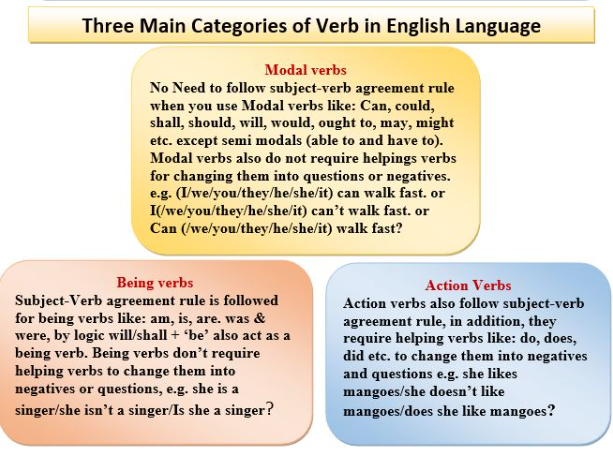
For a new learner, it’s always easier to start speaking English sentences that contain modal verbs, because the subject-verb agreement rule is not required to speak modal verb sentences. We will discuss ‘being’ verb and ‘action verb’ later
Decode your Future with Real-time English Skills
Topics
English is going to be a future coding language, and anyone with knowledge of simple English could design applications or Apps in a few minutes. Let’s see how it’s done
Knowledge of coding is essential to make an App that solves our daily problems or performs a task that we ask it do. Before the invention of AI or artificial intelligence programmes, coders used to write coding to make an app it’s a very difficult process and takes several days, even months for coders to make an app. Nowadays we can use AI tools like Claude to write code for us in just a few minutes, which otherwise would take several day for coders to write code.
In this topic, let’s see how an App is made instantly using the Claude AI tool to calculate the Body Mass Index (BMI) of a person and display the result. BMI is used to determine if a person is obese or not because obesity is considered a disease, as it causes other ailments.
Prompt: A Prompt is an instruction given to an AI tool to perform a task. In this topic, we are giving a prompt to Claude to make an App for us to calculate BMI
Prompt: Download Claude in your mobile or laptop and open Claude. When it displays a box for you to enter the prompt, type the following:
Make an app with the following inputs: create three boxes to enter height, weight and age of a person in standard units, calculate body mass index of the person and display the result as: normal, obese or moderate. Claude will write code that we can’t read or understand after it finishes. Claude will automatically give your App a name. Click the symbol next to ‘interactive App’ you will see the BMI app. Input your height, weight and age. The App will show the result if something goes wrong,g there will be a box below, type ‘the app is not displaying proper result’
Test the APP, click on the BMI APP and check the result